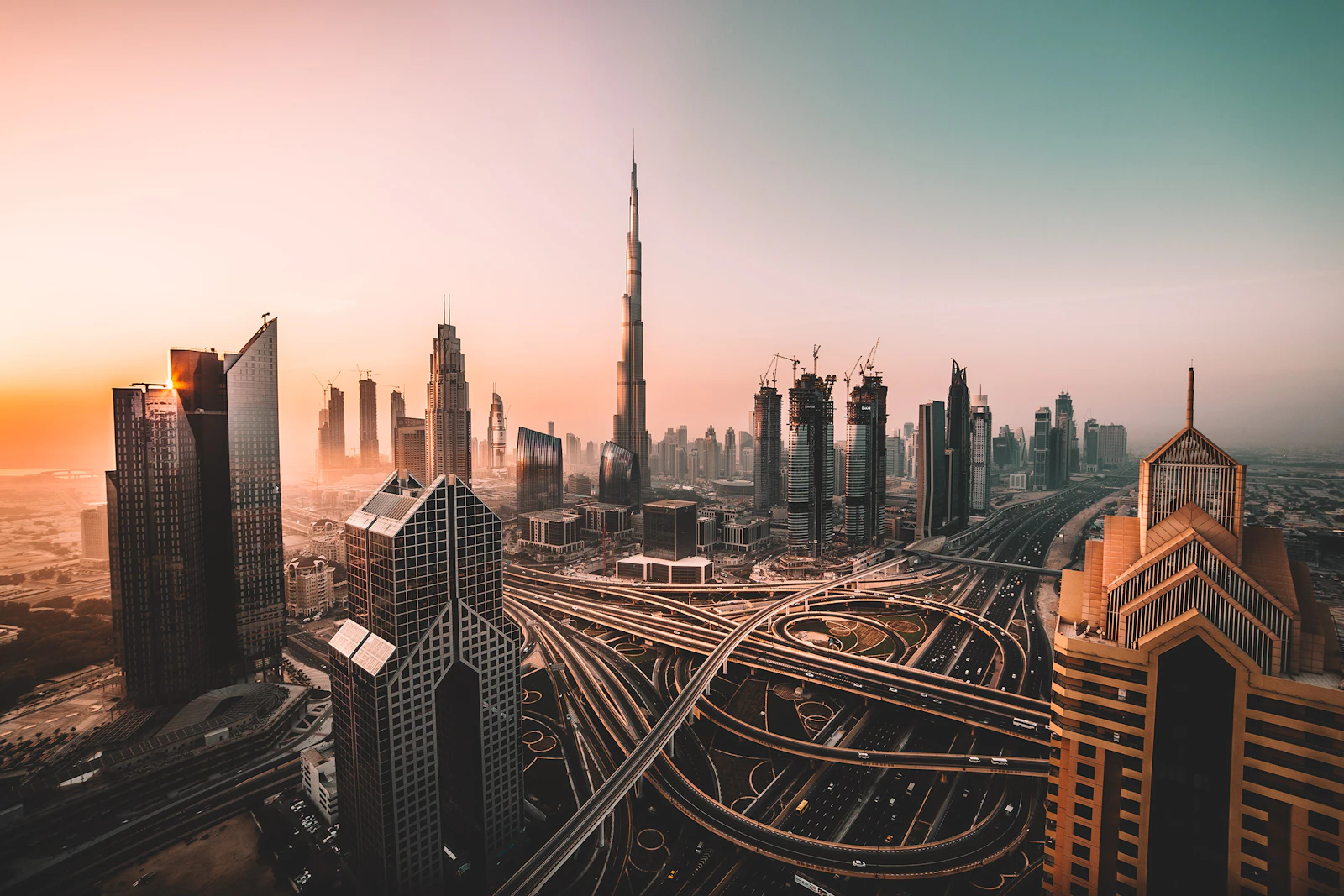
Abu Dhabi Macro Pipeline & IREIS 2026
Written by Chak (Chakravarthy Natarajan Santhakumar) - Last updated: November 2026. As strategic advisor to CHAKWISE, I examine the profound structural shifts currently reshaping the emirate of Abu Dhabi as it approaches the International Real Estate and Investment Show of 2026. The convergence of sovereign wealth allocations, aggressive economic diversification mandates under Vision 2030, and an unprecedented influx of institutional family office capital has fundamentally transformed the capital city from a conservative, oil-dependent administrative hub into a vibrant, high-yielding global powerhouse. Investors evaluating this landscape must look far beyond standard headline appreciation figures to understand the intricate mechanics driving long-term value preservation across prime asset classes. Sovereign corridors connecting Abu Dhabi with key international capital pools in Singapore, Zurich, London, and Riyadh are operating at peak efficiency, fueled by regulatory enhancements that ease foreign ownership restrictions and streamline cross-border capital repatriation. At CHAKWISE, we counsel our private wealth clients to view the Abu Dhabi macro pipeline not as a transient boom, but as a carefully engineered structural expansion backed by the infinite balance sheet of the Abu Dhabi Investment Authority and allied sovereign vehicles. This macro backdrop sets the stage for IREIS 2026, which promises to serve as the definitive proving ground for newly launched master-planned communities across Saadiyat Island, Yas Island, and Al Reem Island.Valuation framing in the current Abu Dhabi property market requires a sophisticated appreciation of replacement costs, land bank scarcity, and absorption velocity across primary and secondary sectors. Unlike historical cycles characterized by speculative surges and sudden liquidity contractions, the 2026 market environment is anchored by stringent central bank regulations, measured construction milestones, and a deliberate tightening of off-plan payment structures. Developers are no longer permitted to rely solely on uncommitted retail deposits, forcing a maturation of the development lifecycle that protects institutional and private investors alike. This disciplined approach to supply injection ensures that absorption rates keep pace with population inflows, which are being accelerated by aggressive visa reforms, the expansion of the golden visa program, and the relocation of multinational regional headquarters to financial free zones such as Abu Dhabi Global Market. Consequently, prime capital values remain fundamentally supported by underlying economic utility rather than speculative fervour, offering a compelling risk-adjusted entry point for patient, long-term capital allocators seeking durable yields and robust capital protection.The strategic importance of the upcoming IREIS 2026 exhibition cannot be overstated, as it coincides with the physical delivery of several landmark ultra-luxury branded residences and integrated mixed-use mega-projects. These developments are redefining the architectural and lifestyle fabric of the emirate, attracting a discerning demographic of international ultra-high-net-worth individuals who demand uncompromising build quality, bespoke concierge services, and seamless connectivity to cultural and financial districts. As advisory partners to family offices and sovereign allocators, CHAKWISE has mapped the precise supply pipeline across the capital, noting critical supply bottlenecks in prime waterfront enclaves where developable land is strictly finite. This supply constraint acts as a natural valuation floor, ensuring that early-stage commitments made during major institutional showcases like IREIS translate into outperforming assets over a five to ten-year holding horizon. We observe that capital is increasingly selective, migrating away from generic mass-market product toward bespoke, highly differentiated assets that offer intrinsic scarcity and generational holding appeal.Navigating this complex ecosystem demands rigorous analytical discipline, granular understanding of master developer execution histories, and a clear-eyed assessment of macroeconomic headwinds ranging from global interest rate trajectories to regional geopolitical dynamics. The Abu Dhabi macro pipeline is characterized by multi-billion-dollar infrastructure investments in transport, green energy, and digital connectivity, all of which directly enhance the underlying rental yields and capital appreciation potential of surrounding real estate assets. By examining historical absorption cycles alongside forward-looking demographic projections, institutional investors can construct resilient portfolios that withstand market volatility while capturing the immense upside generated by the emirates ongoing economic metamorphosis. In the following sections, we dissect the granular financial underwriting, net yield stress tests, and holding cost implications that must govern every capital allocation decision executed during the IREIS 2026 window.
)