Chakravarthy Natarajan Santhakumar
CHAKWISE Wisdom-Driven Investment Advisory

Beyond the property.
Towards your long-term wealth strategy.

CHAKWISE is a UAE real estate investment advisory for global investors who value clarity, independence and long-term thinking.

100%

Independent Advice

0 AED

Hidden Developer Bias

AED 500M+

Advisory Experience

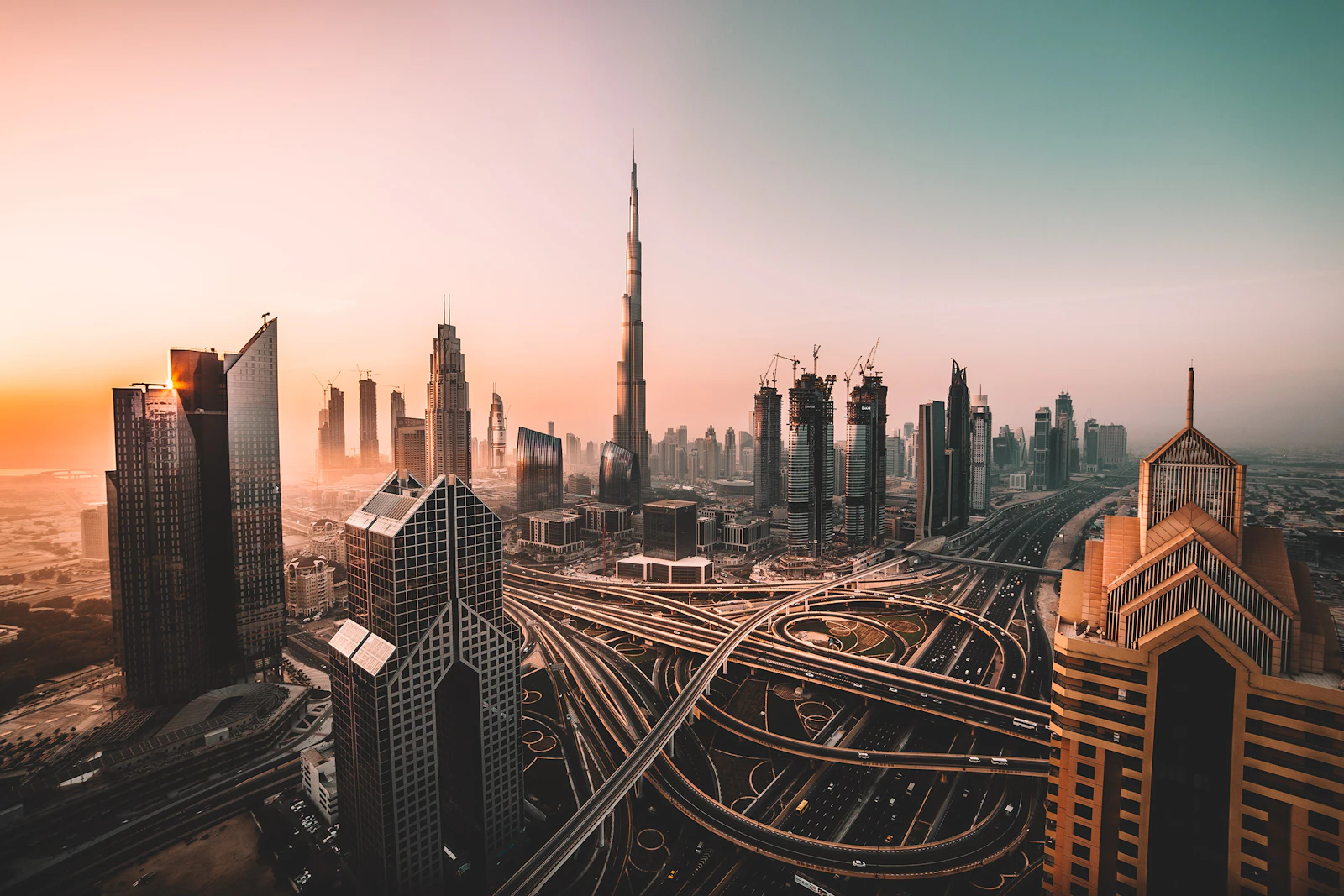
Dubai Downtown Skyline
Chakravarthy Natarajan Santhakumar - Founder of CHAKWISE

Chakravarthy Natarajan Santhakumar

Founder & Senior Investment Advisor

The CHAKWISE Approach

We start with your goals, your capital and your timeline. Our role is to ask the right questions, provide independent analysis and help you make informed decisions in the UAE real estate market.

Client needs first

Your goals, risk profile and family plans guide every recommendation. We filter out the noise so you buy what serves you.

Independent advice

No developer ties. No sales quotas. No paid promotions. Unbiased comparison across all Tier-1 and emerging UAE developers.

Data-led analysis

Rigorous market research, scenario planning, realistic yield calculations, rental supply curves, and transparent assumptions.

Long-term thinking

Focus on sustainable wealth generation, portfolio diversification, currency hedging, and planned exit liquidity options.

UAE Market Coverage

We provide insights and analysis across the key emirates, with a focus on global investor needs.

Dubai Real Estate

Dubai

Global hub. Diverse opportunities, high rental yields, and robust prime demand.

Abu Dhabi Real Estate

Abu Dhabi

Stability. Long-term capital growth, sovereign-backed master developments & cultural islands.

Sharjah Real Estate

Sharjah

Value. Culture. Emerging freehold potential with favorable price-to-rent entry points.

Ras Al Khaimah Real Estate

Ras Al Khaimah

Nature. Tourism. Future growth driven by Wynn Al Marjan Island and beachfront luxury.

Latest Insights

Original research, market briefs, and frameworks for sophisticated capital.

View all insights
Dubai 2040 Plan Secondary Resale Value
infrastructure-growth-corridors

Dubai 2040 Plan Secondary Resale Value

Written by Chak (Chakravarthy Natarajan Santhakumar) - Last updated: November 2026. The evolution of Dubai through the lens of the 2040 Urban Master Plan represents a structural pivot from sprawling suburban expansion to intensified, transit-oriented multi-center urban nodes. At Chakwise, our institutional advisory framework dictates that capital allocation must track infrastructure velocity rather than superficial sentiment, recognizing that secondary resale appreciation in established urban centers is fundamentally driven by the compression of developable land within designated polycentric hubs. As the emirate targets a population threshold approaching six million residents over the next decade and a half, the structural demand profile for secondary assets within the historical and emerging urban centers undergoes a profound transformation, separating speculative off-plan constructs from enduring, cash-generating secondary stock that commands sustained liquidity during market corrections.Sovereign corridors defined within the 2040 blueprint such as the Downtown-Business Bay axis, the Dubai Marina-JBR coastal corridor, and the emerging Expo City and Silicon Oasis hubs are witnessing a deliberate reallocation of public capital aimed at enhancing multimodal transport connectivity, green transit-oriented spaces, and mixed-use commercial densities. This deliberate policy intervention alters the supply-demand equilibrium in mature secondary markets, where new supply is inherently constrained by existing architectural density. Consequently, secondary assets in these urban centers possess an asymmetric valuation advantage over remote greenfield developments, as they offer immediate operational occupancy, verified infrastructure maturity, and established community ecosystems that cannot be replicated overnight by master developers launching peripheral master plans.Valuation framing within these secondary urban centers requires a sophisticated dismantling of traditional capital appreciation metrics, moving beyond nominal price-per-square-foot comparisons to evaluate net yield sustainability, replacement cost dynamics, and the compounding velocity of transit-adjacent foot traffic. When family offices and institutional allocators deploy capital into secondary resale units, they are underwriting the longevity of the urban node itself. The Dubai 2040 framework explicitly protects and enhances these core nodes by restricting low-density sprawl and channeling municipal investment into upgrading existing infrastructure, thereby safeguarding the long-term capital value of mature apartments and townhouses against obsolescence risks.Furthermore, the interplay between macroeconomic liquidity inflows into the United Arab Emirates and the structural tightening of prime urban inventory creates a unique valuation cushion for secondary assets. Unlike primary off-plan properties that bear construction, execution, and delivery delays, secondary properties in key urban centers offer immediate integration into the rental yield pool, providing an effective hedge against inflationary cost pressures on construction materials and labor. Through our rigorous advisory lens, we counsel our private wealth clients to view secondary resale appreciation not as a function of speculative frenzy, but as a mathematical certainty derived from the convergence of fixed land supply, mounting population densities, and sovereign-backed urban intensification strategies.

Etihad Rail Freight Impact on Northern Emirates Industrial Yields
infrastructure-growth-corridors

Etihad Rail Freight Impact on Northern Emirates Industrial Yields

Written by Chak (Chakravarthy Natarajan Santhakumar) - Last updated: November 2026. The transformation of the United Arab Emirates logistics landscape through the operationalization of the national rail network marks a structural inflection point for industrial real estate asset valuation across the Northern Emirates. For decades, the valuation matrix governing warehousing, light manufacturing, and distribution assets in Sharjah, Ajman, Umm Al Quwain, and Ras Al Khaimah relied heavily on road freight accessibility, primary highway proximity, and proximity to domestic urban centers. The integration of a heavy freight railway network alters this paradigm permanently, shifting the locus of industrial asset attractiveness toward rail terminal nodes, dry ports, and intermodal connectivity points.Sovereign infrastructure corridors such as the Etihad Rail network are not merely transit upgrades. They function as macroeconomic redistributors of industrial capital, reshaping spatial economics by compressing transit times between deep-water ports, heavy industrial zones, and the broader GCC consumer base. As freight moves off highways and onto tracks, secondary and tertiary industrial clusters in the Northern Emirates experience a fundamental re-rating of their underlying land values. Assets that were previously discounted due to peripheral locations are now re-evaluated through the lens of multimodal efficiency, unlocking unprecedented operational synergies for tenants and compressed capitalization rates for institutional owners.At CHAKWISE, our advisory engagements with merchant families and sovereign capital allocators require a granular, bottom-up underwriting approach to assess how macro infrastructure investments translate into micro-level net operating income. The deployment of the national railway introduces a complex matrix of winners and losers within the Northern Emirates industrial real estate ecosystem. Facilities lacking direct or proximate access to freight terminals face structural obsolescence as tenant demand concentrates around rail-served logistics parks. Conversely, modern warehouses situated within designated economic corridors are commanding premium rents, redefining yield expectations and challenging historical cap rate spreads between Dubai and its northern neighbors.Understanding the true financial impact of this infrastructure shift demands an exhaustive examination of supply chain economics, municipal zoning policies, and capital market dynamics. As logistics operators transition their supply chains to leverage rail economics, property yields are responding to changes in tenant stickiness, lease structures, and capital expenditure requirements. This dossier provides a comprehensive institutional assessment of how Etihad Rail reshapes industrial real estate yields across the Northern Emirates, offering actionable intelligence for sophisticated investors seeking to navigate this generational asset re-pricing cycle with precision and strategic foresight.

Real Estate Compounding vs Lottery Speculation
capital-allocation-ownership

Real Estate Compounding vs Lottery Speculation

Written by Chak (Chakravarthy Natarajan Santhakumar) - Last updated: November 2026. In an era dominated by hyper-accelerated digital liquidity and speculative retail trading applications, the foundational principles of wealth generation have been subjected to a dangerous cultural distortion. Modern retail investors, seduced by the illusory glamour of overnight crypto pumps and high-beta equity options, increasingly approach real estate with the same lottery ticket mentality. This speculative virus has seeped into prime property markets across the globe, transforming what should be a calculated, institutional-grade compounding machine into a high-risk game of musical chairs. At CHAKWISE, we observe this psychological friction daily among private capital allocators who mistake short-term price volatility for fundamental value creation. True generational wealth has never been built on the ephemeral adrenaline of the flip, but rather on the patient, unglamorous physics of structural compounding over multi-decade holding periods.To understand the mechanics of this compounding machine, one must first deconstruct the macroeconomic environment governing prime sovereign corridors today. Global liquidity cycles, driven by shifting central bank balance sheets and structural inflation pressures, have permanently altered the cost of capital. Real estate assets residing in Tier-1 global hubs and emerging ultra-prime growth corridors cannot be evaluated through the simplistic lens of nominal capital appreciation alone. Instead, they require a sophisticated synthesis of sovereign stability, net operating income yields, legal title protections, and demographic tailwinds. When investors treat prime real estate as a speculative instrument, they ignore the friction of transactional costs, maintenance drag, and financing leverage risks, ultimately exposing themselves to devastating capital impairments when market sentiment inevitably normalizes.The institutional reality is that real estate functions as a slow-burn wealth engine precisely because it is illiquid. That very illiquidity, often mischaracterized as a defect by amateur traders, is its greatest structural virtue. It protects the asset from the emotional panics of public equity markets, forcing a long-term discipline that allows rental yields to compound, principal balances to amortize through tenant cash flows, and urban infrastructure to mature around the asset. As strategic advisors, our mandate at CHAKWISE is to strip away the noise of off-plan hype and social media marketing campaigns, replacing them with rigorous actuarial discipline. We guide our merchant families and institutional partners to view property not as a ticket to quick riches, but as a sovereign-grade balance sheet anchor designed to outlive market cycles and preserve purchasing power across generations.This comprehensive dossier explores the stark divergence between speculative property trading and methodical real estate compounding. We will dissect the granular financial underwriting required to survive market corrections, analyze the hidden leakage points of service charges and holding costs, and establish a bulletproof framework for evaluating net cash flow yields. By examining the mathematical realities of leverage, capital stacks, and exit liquidity, this analysis aims to re-engineer your approach to property acquisition, shifting your perspective from the transient thrill of the lottery ticket to the enduring power of the compounding machine.

DIFC Commercial Tightness & Grade-A Yield Compression
market-intelligence

DIFC Commercial Tightness & Grade-A Yield Compression

Written by Chak (Chakravarthy Natarajan Santhakumar) - Last updated: November 2026. The Dubai International Financial Centre continues to exhibit severe structural undersupply across core commercial strata, driven by relentless institutional inflows and a regulatory framework that commands immense global prestige. As multinational occupiers compete fiercely for limited footprints, vacancy rates within prime addresses have compressed to near-zero levels, creating an intensely landlord-favourable leasing environment.Sovereign capital corridors and international wealth funds are actively bidding up prime commercial assets, seeking safe-haven cash flows amidst broader macroeconomic uncertainties. This sustained demand pressure has directly accelerated capital values, resulting in aggressive yield compression across fully fitted Grade-A inventory. Traditional cap-rate calculations no longer apply when evaluating these trophy assets, as pricing increasingly reflects scarcity value and long-term strategic positioning.Master community maturity within the financial district has reached a saturation point where new contiguous land releases are virtually non-existent. Consequently, asset appreciation is decoupled from broader Dubai property cycles, tethered instead to tenant revenue density and the unwavering appeal of common law regulatory structures. Investors entering this sub-market must look past nominal headline prices and evaluate the structural durability of cash flows under shifting global tax regimes.This advisory note establishes a rigorous underwriting baseline for evaluating DIFC commercial acquisitions, dissecting the true operational drag on net operating income and stress-testing capital deployment against potential macroeconomic headwinds. Our objective is to strip away retail sales hype and provide institutional-grade clarity for family offices and private capital allocators deploying significant ticket sizes into Dubai's premier financial free zone.

Let's discuss your investment goals

Book a 30-minute consultation to explore your options and see how CHAKWISE can support your journey.